Blog
Insights on velocity tracking, forecasting, and agile planning.
Latest news
release
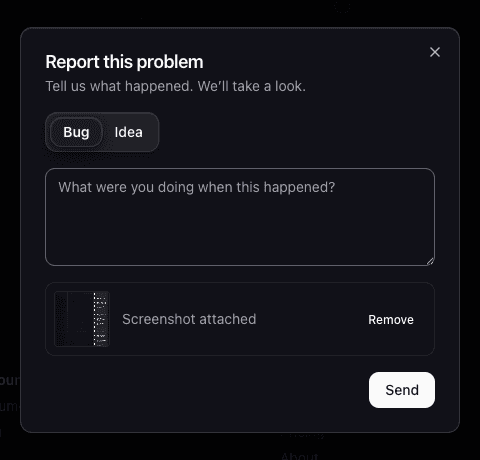
What's New in August
A new way to report bugs with automatic screenshots, promoting subtasks and items up a level, Mermaid charts in docs and blog posts, and a smarter milestone picker.
GoalPath Team
features
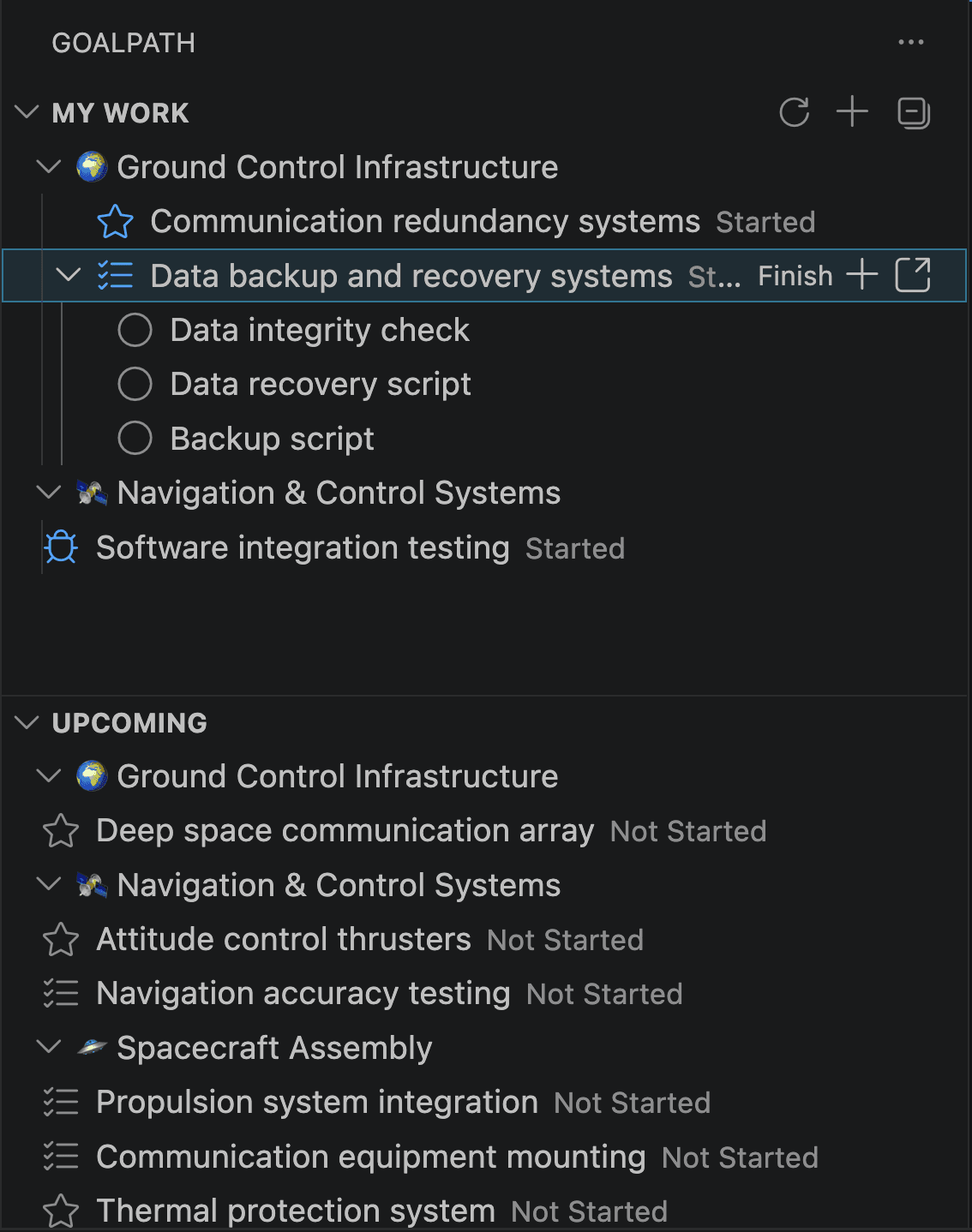
Your task list, right where you code
GoalPath's VS Code extension puts your assigned items in the sidebar. Progress status, check off subtasks, flag blockers, all without opening a browser tab.
GoalPath Team
flow-efficiency
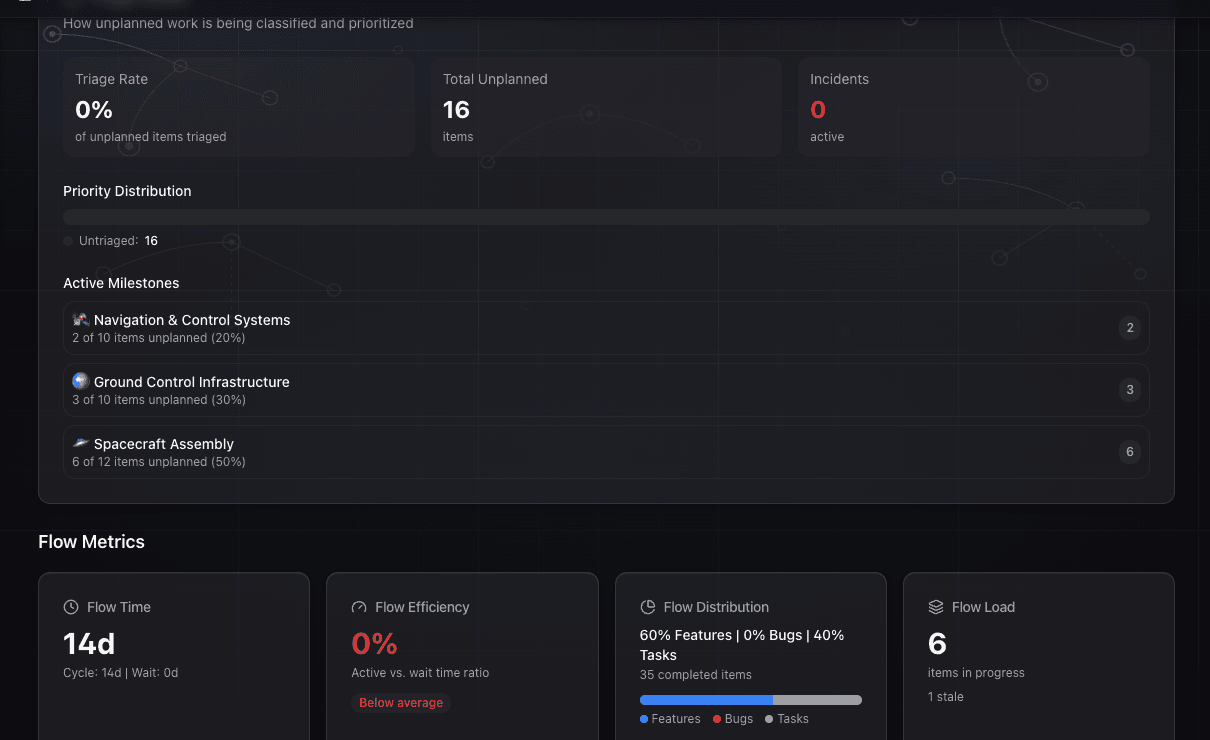
Cumulative flow and statistical process control for delivery
How to read a cumulative flow diagram, what the bands tell you about WIP and throughput, and how GoalPath's built-in CFD and flow metrics give you diagnostic power without setting up external tools.
GoalPath Team
developer-productivity
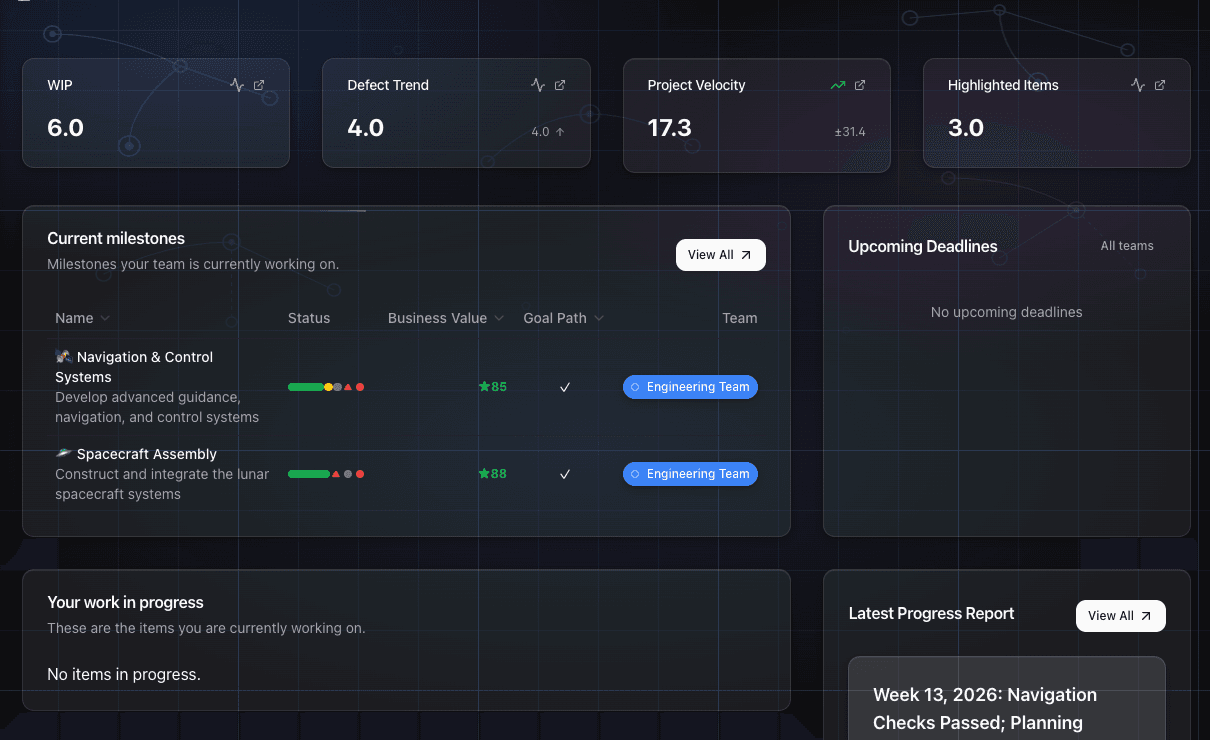
The SPACE Framework: Beyond Throughput
Velocity and story points only tell you part of the story. The SPACE framework explains why developer productivity needs five dimensions, and which three GoalPath measures automatically.
GoalPath Team
flow-efficiency
Theory of Constraints for software delivery: find your bottleneck before hiring more people
Most teams try to speed up delivery by adding capacity or running faster everywhere at once. Theory of Constraints says that's almost always waste. Here's how to find the one constraint that actually limits your throughput, and how GoalPath's flow data makes it visible without hiring a consultant.
GoalPath Team
dora-metrics
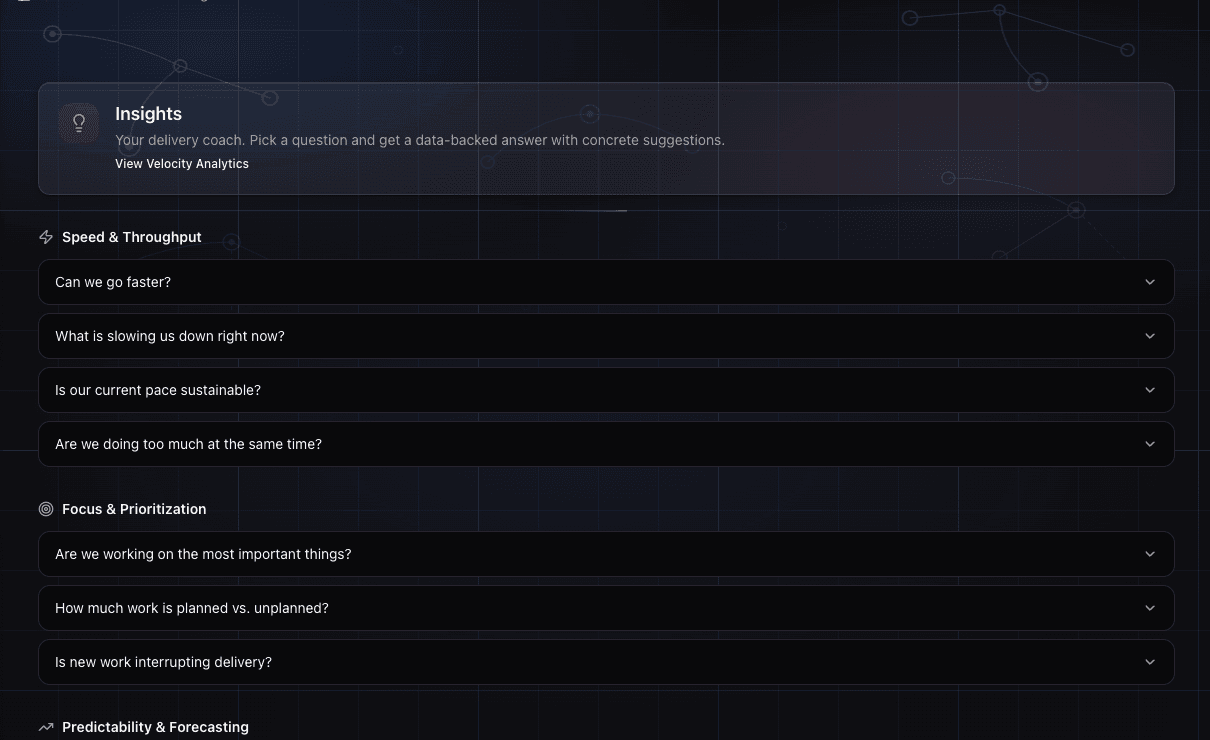
DORA Metrics: Engineering Performance Benchmarks
What the four DORA keys actually measure, what Elite performance looks like in practice, and how GoalPath's flow metrics give you DORA-adjacent insights without a separate measurement tool.
GoalPath Team
onboarding
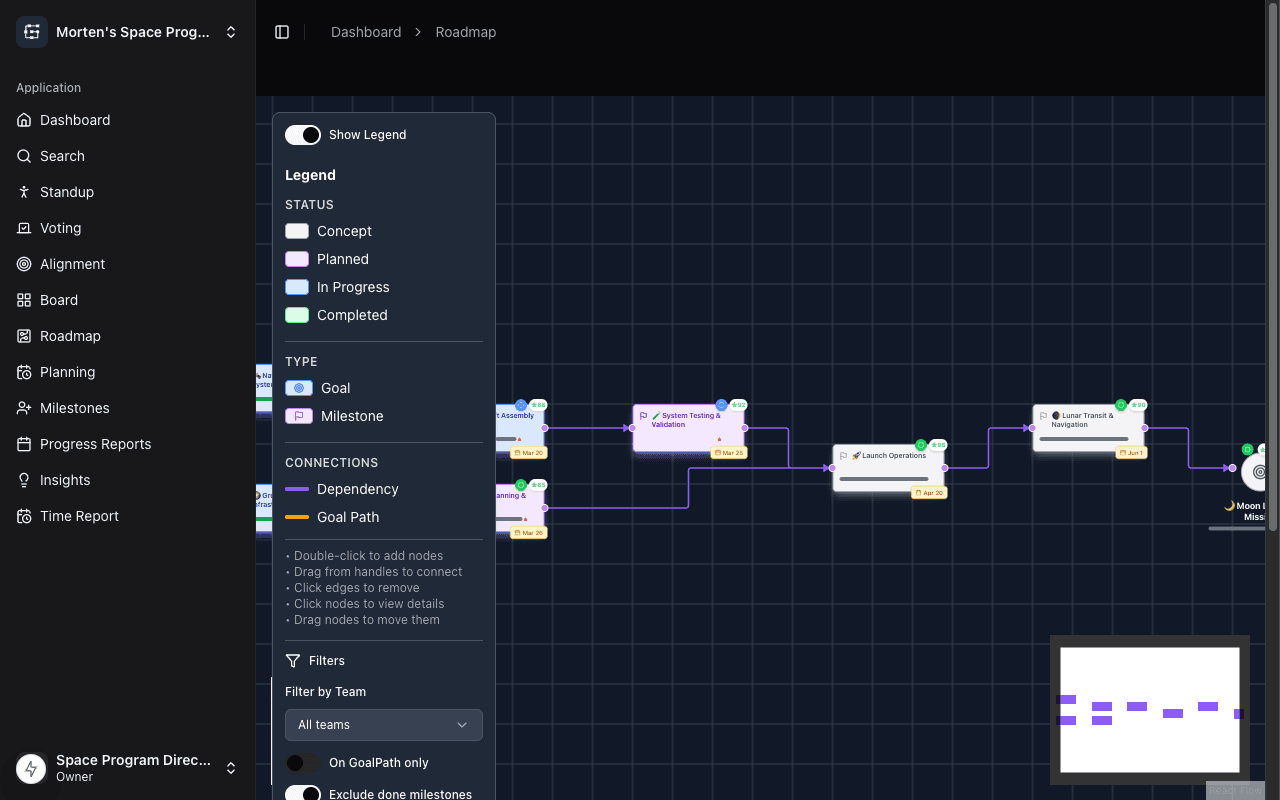
Getting started with GoalPath: guides for every role
Not everyone on the team needs GoalPath the same way. Here's what tech leads, product owners, and stakeholders should look at first, and what they get out of it in week one.
GoalPath Team
forecasting
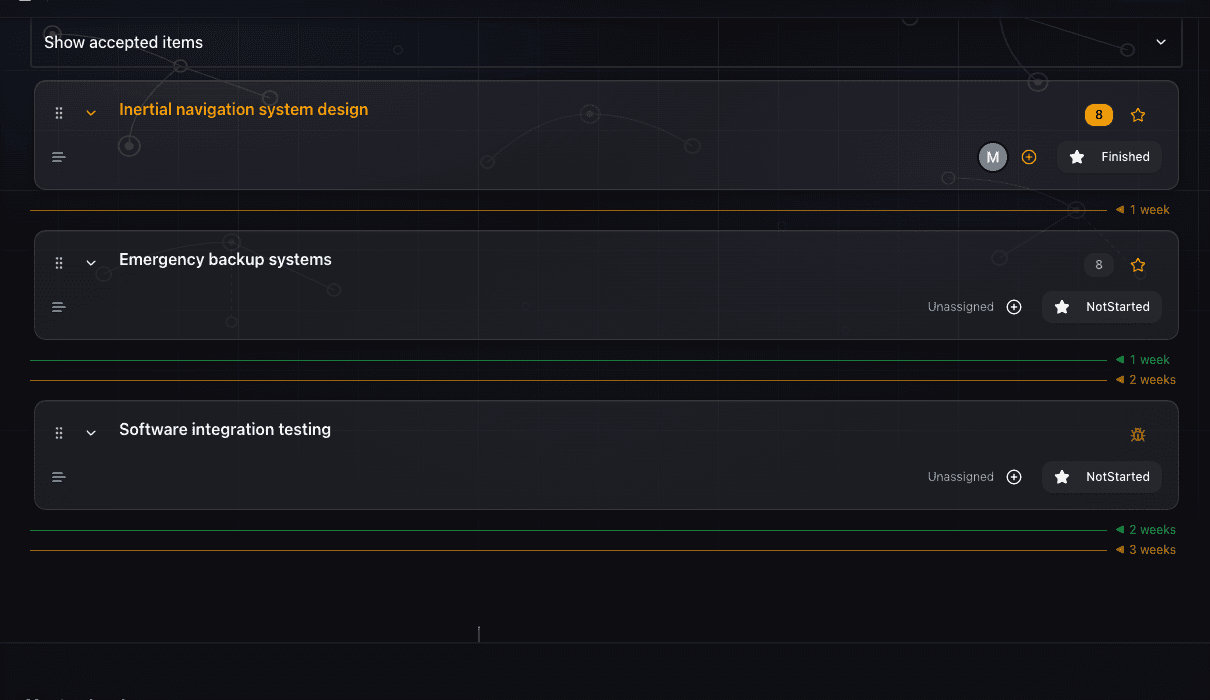
Reading your forecast: what the probability bands actually mean
GoalPath gives you three completion dates, not one. Here's what optimistic, expected, and pessimistic actually mean, how the delivery probability lines in your item list work, and how to use all of this in stakeholder conversations without lying to anyone.
GoalPath Team
release
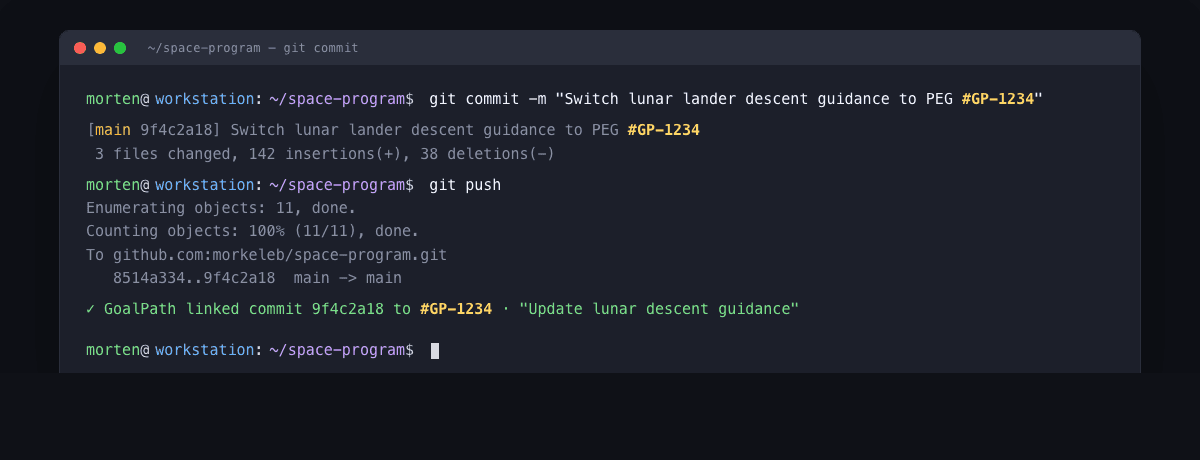
Your AI coding assistant can now tag commits to GoalPath items
A small update to the GoalPath CLI and skills plugin closes the loop between AI-written code and the activity timeline. Here is what changed and how to install it.
GoalPath Team
context-switching
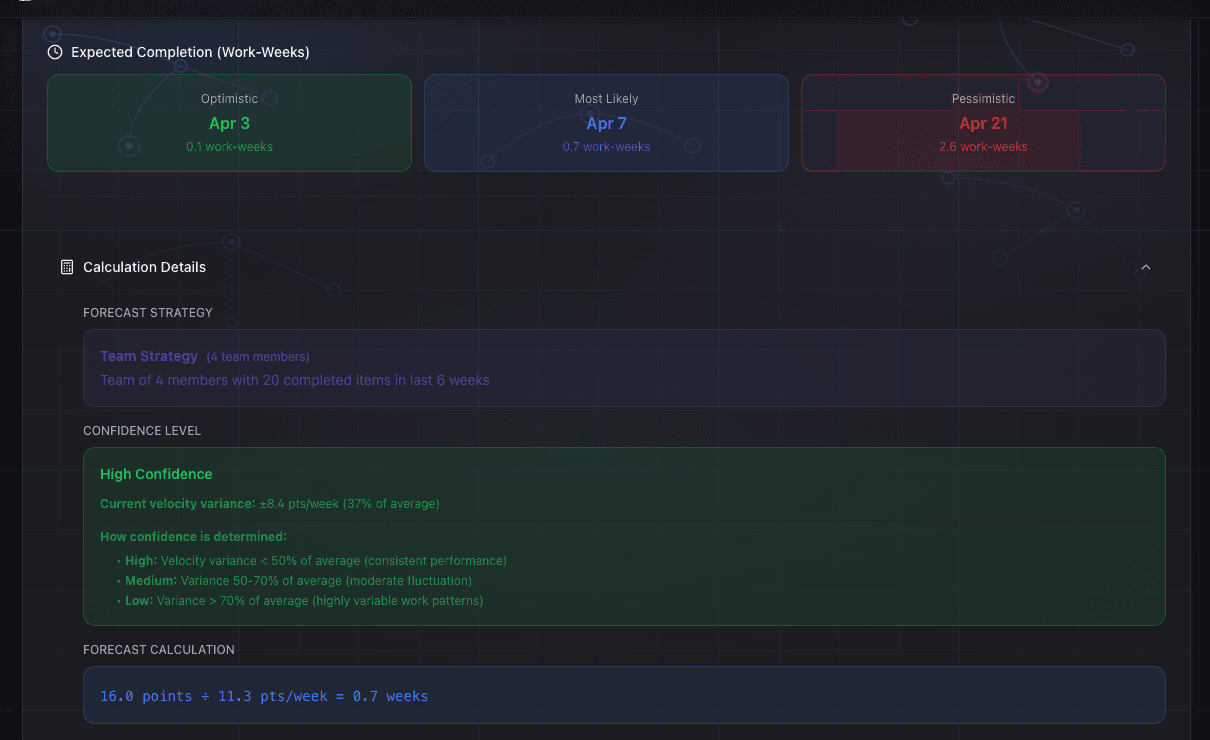
The real cost of context switching across milestones
Spreading your team across too many milestones at once quietly destroys throughput. Here's the empirical penalty, why most teams never see it, and how GoalPath detects and accounts for it in every forecast.
GoalPath Team
predictability
What makes delivery predictable (and what breaks it)
Why some teams can forecast reliably and others can't. The signals that predict predictability (consistent velocity, low WIP variance, estimated backlogs, fewer parallel tracks) and how GoalPath's three-point forecasting and uncertainty propagation make the invisible visible.
GoalPath Team
flow-efficiency
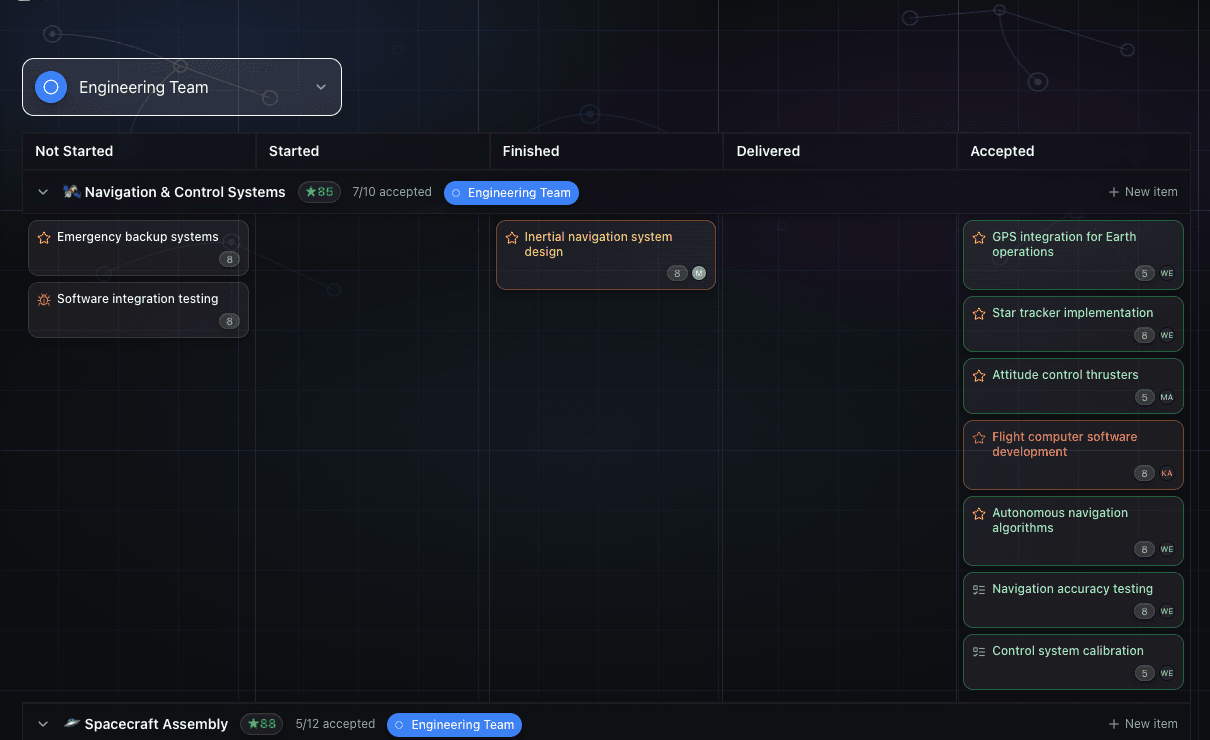
Flow efficiency: why your team is working but not shipping
Most teams have 15-25% flow efficiency, meaning work spends 75-85% of its time waiting. What flow efficiency is, why it matters more than utilisation, and how GoalPath shows you exactly where work gets stuck.
GoalPath Team
unplanned-work
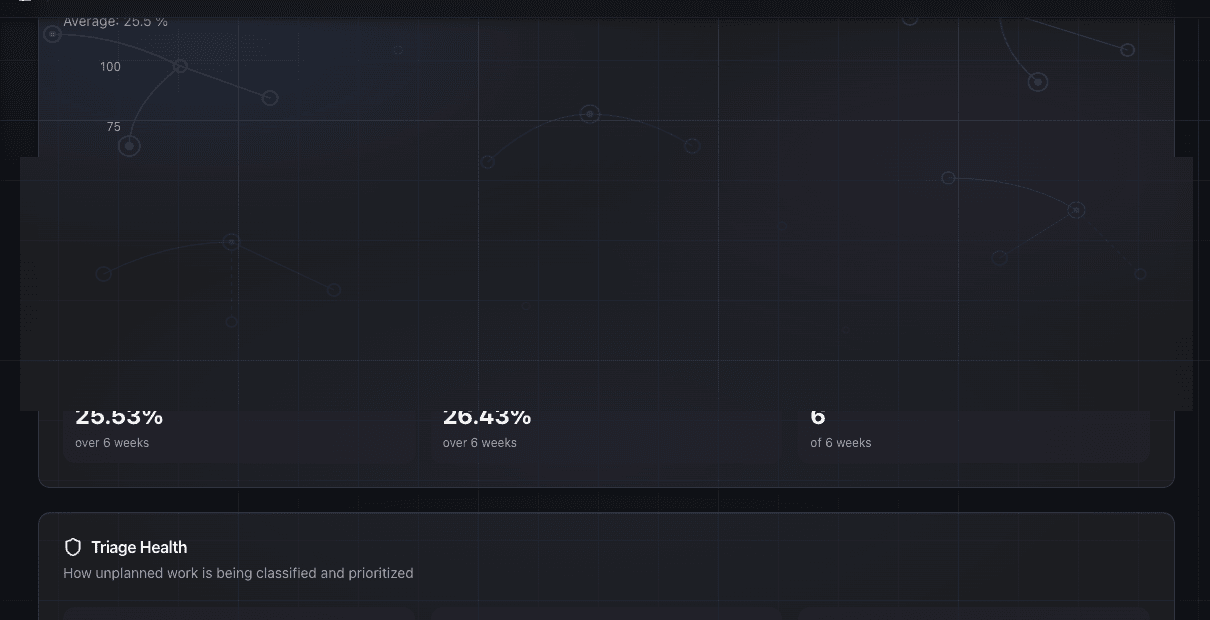
Planned vs unplanned work: what the ratio tells you
Unplanned work is invisible until it isn't. Here's how to use GoalPath's triage inbox, unplanned badges, and flow distribution to make scope creep visible before it breaks your forecast.
GoalPath Team
cycle-time
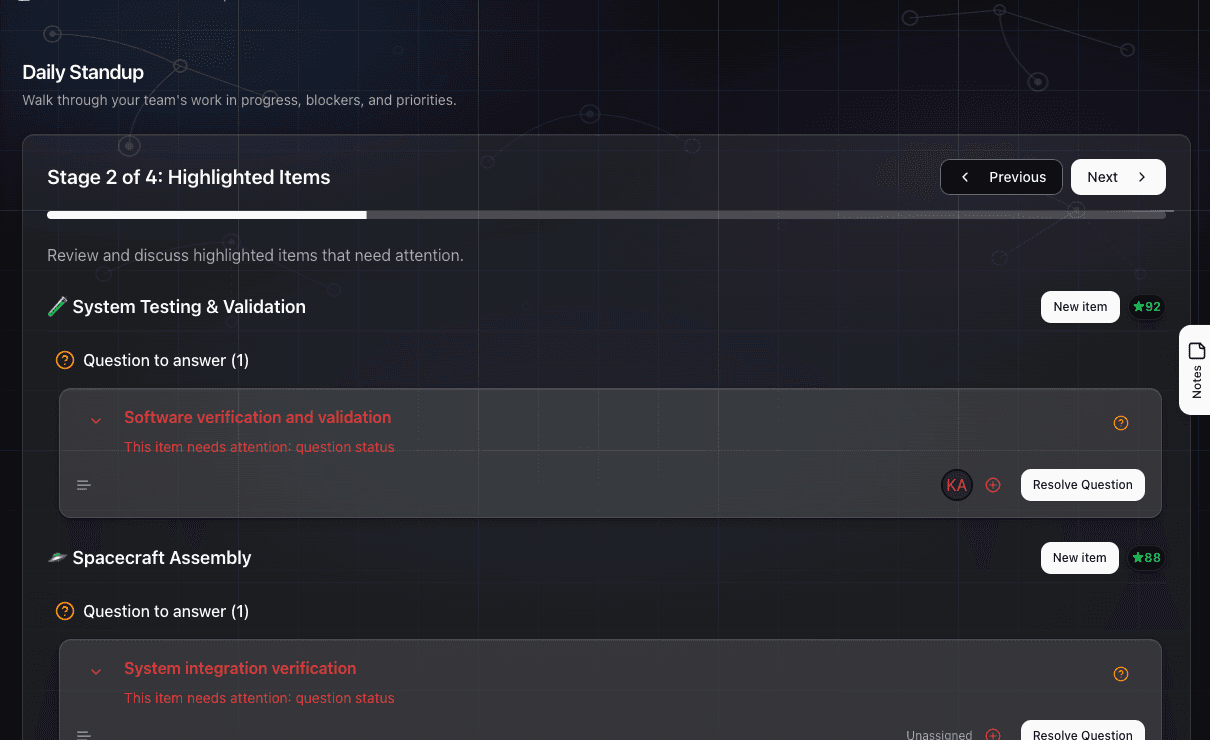
Understanding cycle time: the metric that actually predicts delivery
Lead time tells you how long customers wait. Cycle time tells you how fast your team works. Wait time tells you why delivery is slow. GoalPath's Flow Time metrics give you all three: median values with trend indicators, updated daily to show how your delivery speed is trending.
GoalPath Team
flow-efficiency
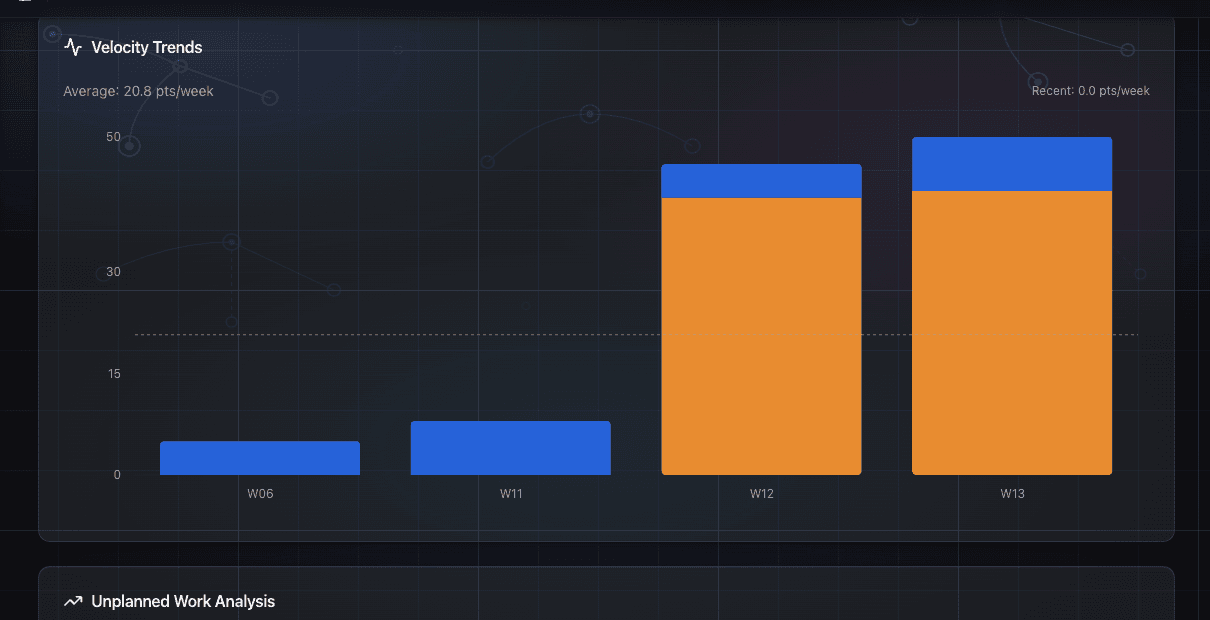
Why WIP limits matter more than velocity
Finishing fewer things faster beats starting more things. Here's how Little's Law explains the math, why velocity tells you what already happened, and how GoalPath's Flow Load view shows you where WIP is silently killing your throughput.
GoalPath Team
blog
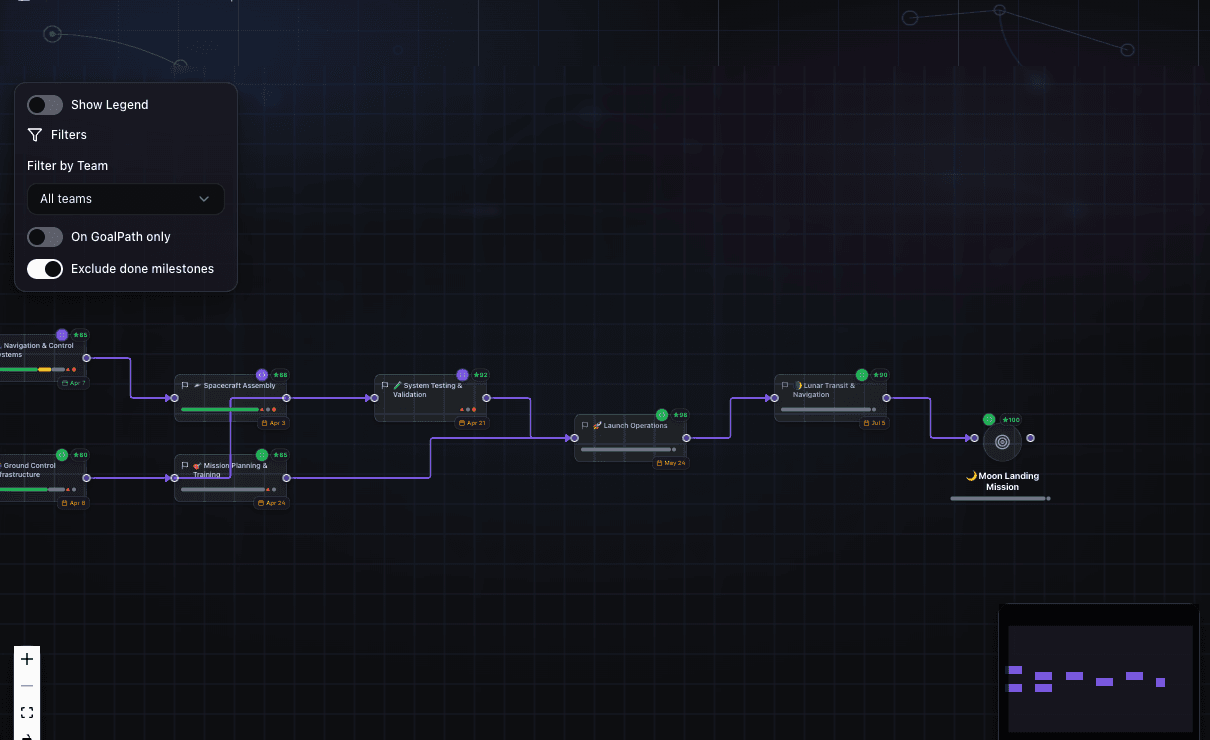
When everything is Priority 1, teams default to the loudest work
GoalPath Team
flow-efficiency
Activity ≠ progress — too many things in flight is the #1 reason teams feel busy but don't deliver.
Busy calendars aren’t the same as shipped outcomes. This post shows a 30‑minute diagnosis that reveals whether your team’s activity actually converts to delivery, then gives five fast experiments you can run in 1–2 sprints and a 30/60/90 playbook. GoalPath is positioned as the practical tool to run and measure these experiments, generate automatic progress reports, and make decision latency visible.
GoalPath Team
features
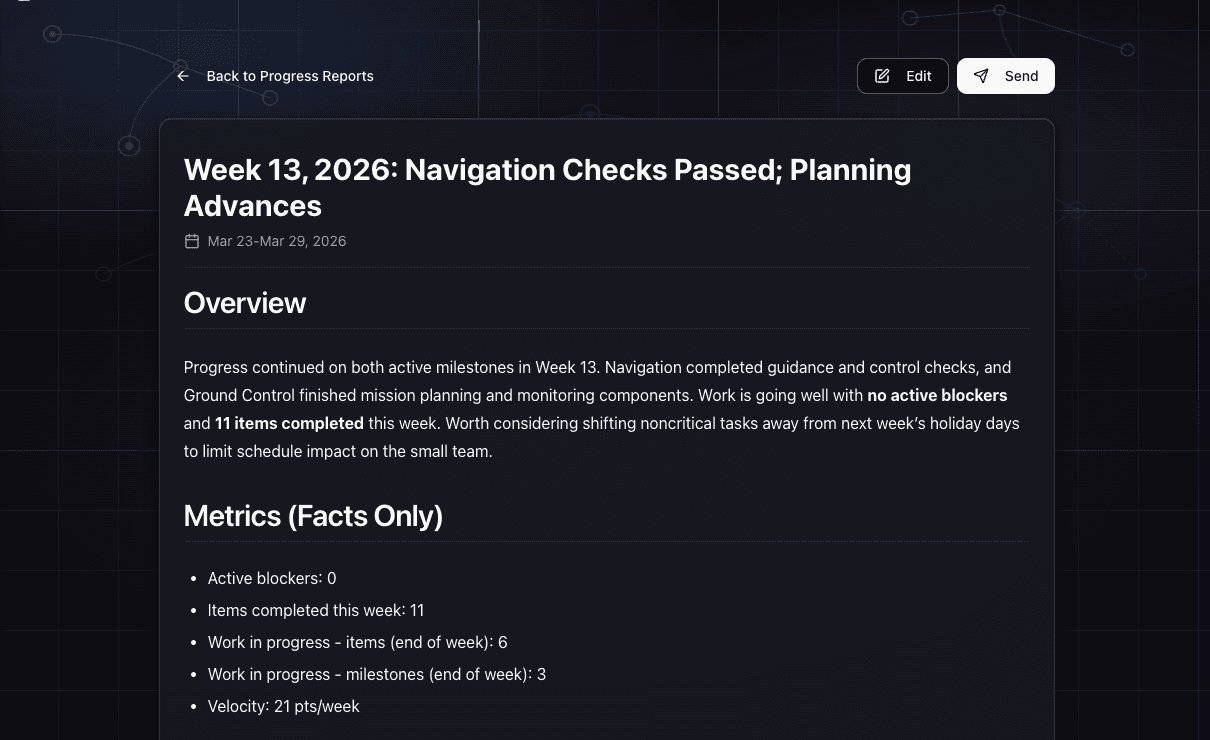
Introducing Automated Weekly Updates: Your Team's Work, Translated for Leadership
GoalPath now automatically generates clear, trustworthy weekly progress updates from your team's actual work—no extra reporting, no status meetings, no manual writeups.
GoalPath Team
velocity
Understanding Velocity Metrics in GoalPath
Learn how GoalPath measures team velocity in story points per work-week, and how that drives realistic delivery forecasts.
GoalPath Team
product
Introducing GoalPath: Stop Writing Status Reports. Start Shipping.
GoalPath is a delivery operating system that turns your team's execution into automatic progress reports and data-driven forecasts — no documentation required.
GoalPath Team